



custom conductive gel
As a professional manufacturer of conductive gels and a supplier of self-adhesive electrode pads, we offer end-to-end customization services, including adjustments to ingredients, colors, shapes, and sizes. Our products are suitable for use as ultrasound coupling gel, TENS gel, cooling gel, and microcurrent gel.
-
![Clear Conductive Gel]() Clear Conductive GelThe molecular compounding of this clear conductive fluid utilizes a premium-grade, un-pigmented carboxy-vinyl cross-linked polymer skeleton, synthesized using medical-grade reverse-osmosis (RO)read more
Clear Conductive GelThe molecular compounding of this clear conductive fluid utilizes a premium-grade, un-pigmented carboxy-vinyl cross-linked polymer skeleton, synthesized using medical-grade reverse-osmosis (RO)read more -
![High-Viscosity Electrode Gel]() High-Viscosity Electrode GelThe molecular compounding of this high-viscosity gel utilizes a high-molecular-weight carboxy-vinyl polymer backbone, neutralized with alkanolamine buffers inside 316L stainless steel vacuumread more
High-Viscosity Electrode GelThe molecular compounding of this high-viscosity gel utilizes a high-molecular-weight carboxy-vinyl polymer backbone, neutralized with alkanolamine buffers inside 316L stainless steel vacuumread more -
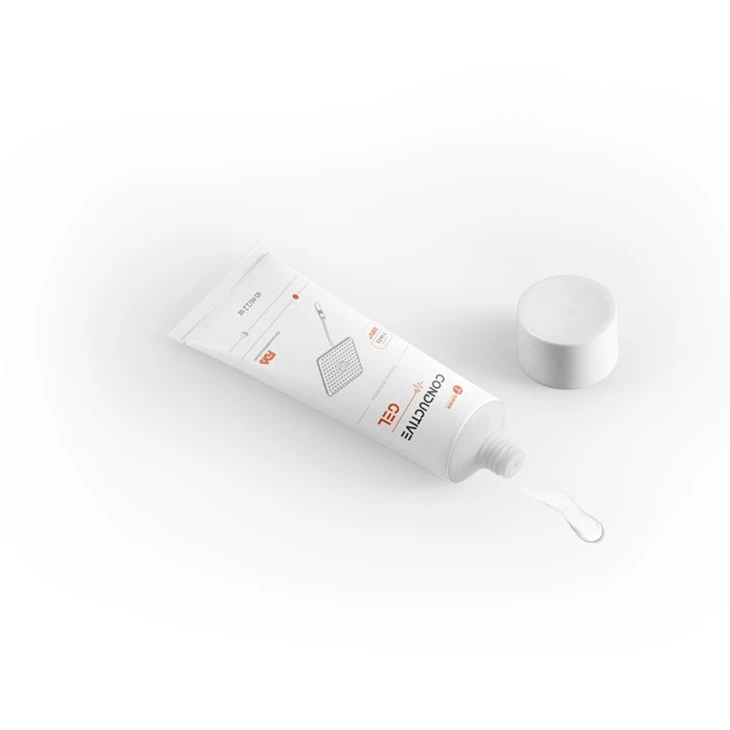
![Squeeze Tube Conductive Gel]() Squeeze Tube Conductive GelThe mass processing of squeeze tube conductive mediums combines automated high-vacuum planetary batch compounding with continuous inline tube-filling tracks. A carbomer 940/980 crystalline skeletonread more
Squeeze Tube Conductive GelThe mass processing of squeeze tube conductive mediums combines automated high-vacuum planetary batch compounding with continuous inline tube-filling tracks. A carbomer 940/980 crystalline skeletonread more -
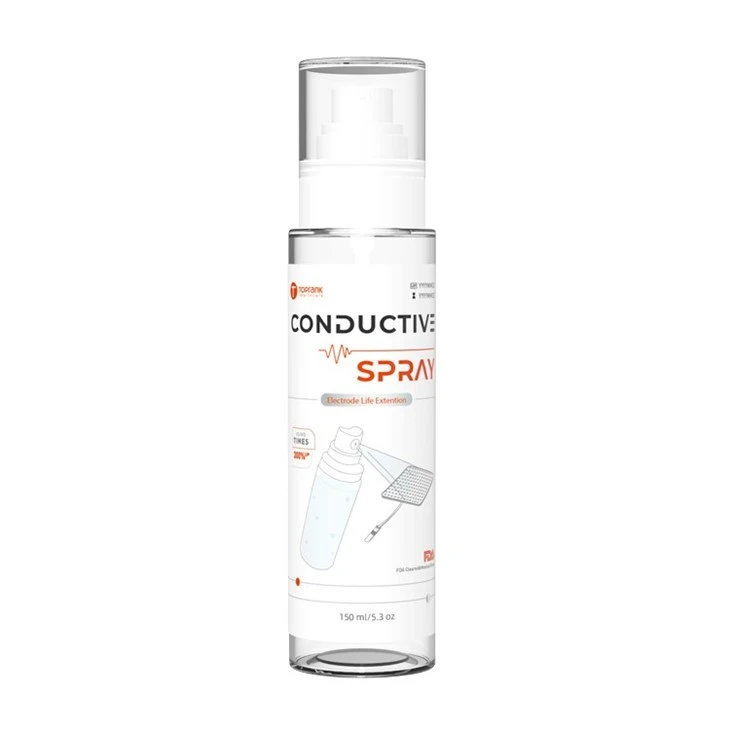
![Electrode Conductive Spray]() Electrode Conductive SprayThe chemical compounding of this liquid coupling agent executes inside sealed stainless steel 316L homogenization reactors under a pressurized nitrogen blanket to eliminate atmospheric oxygenread more
Electrode Conductive SprayThe chemical compounding of this liquid coupling agent executes inside sealed stainless steel 316L homogenization reactors under a pressurized nitrogen blanket to eliminate atmospheric oxygenread more -
![EEG Conductive Paste]() EEG Conductive PasteThe base matrix is synthesized using Reverse Osmosis (RO) water and specific polyoxyethylene binders to build structural viscosity. High concentrations of sodium chloride (NaCl) and potassiumread more
EEG Conductive PasteThe base matrix is synthesized using Reverse Osmosis (RO) water and specific polyoxyethylene binders to build structural viscosity. High concentrations of sodium chloride (NaCl) and potassiumread more -
![EMS Conductive Spray]() EMS Conductive SprayThe fluid architecture replaces standard gel thickeners (like carbomer) with a purified reverse-osmosis (RO) water base. To establish electrical mobility without triggering chemical degradation ofread more
EMS Conductive SprayThe fluid architecture replaces standard gel thickeners (like carbomer) with a purified reverse-osmosis (RO) water base. To establish electrical mobility without triggering chemical degradation ofread more -
![Radio Frequency (RF) Coupling Gel]() Radio Frequency (RF) Coupling GelMaterials: Formulated with high-molecular-weight cross-linked Carbomer polymers and pharmaceutical-grade deionized water. The electrolyte balance is achieved using organic ions to avoid the corrosiveread more
Radio Frequency (RF) Coupling GelMaterials: Formulated with high-molecular-weight cross-linked Carbomer polymers and pharmaceutical-grade deionized water. The electrolyte balance is achieved using organic ions to avoid the corrosiveread more -
![Ultrasound Gel]() Ultrasound GelManufacturing Scope: High-Volume B2B Production, Bulk Blending & Turnkey Contract Filling.Acoustic Performance: Vacuum-Degassed Matrix (Eliminates micro-bubbles for clear imaging and reduced acousticread more
Ultrasound GelManufacturing Scope: High-Volume B2B Production, Bulk Blending & Turnkey Contract Filling.Acoustic Performance: Vacuum-Degassed Matrix (Eliminates micro-bubbles for clear imaging and reduced acousticread more -
![Conductive Gel For TENS Units]() Conductive Gel For TENS UnitsFormula: Thixotropic High-Viscosity (Non-runny, clinic standard).Function: Lowers Contact Impedance & Prevents Dry Pad Stinging.Versatility: One Gel for Multiple Modalities (TENS, EMS,read more
Conductive Gel For TENS UnitsFormula: Thixotropic High-Viscosity (Non-runny, clinic standard).Function: Lowers Contact Impedance & Prevents Dry Pad Stinging.Versatility: One Gel for Multiple Modalities (TENS, EMS,read more -
![Conductive Adhesive Gel]() Conductive Adhesive GelGel Type: High-Viscosity Liquid (Becomes tacky upon application).Primary Function: Increases Adhesion + Conductivity.Key Application: Reviving old TENS pads, fixing EEG cup electrodes.Formula:read more
Conductive Adhesive GelGel Type: High-Viscosity Liquid (Becomes tacky upon application).Primary Function: Increases Adhesion + Conductivity.Key Application: Reviving old TENS pads, fixing EEG cup electrodes.Formula:read more -
![EMS Conductive Gel]() EMS Conductive GelFormula: Water-based, salt-free, and paraben-free.Conductivity: High transmission efficiency for deep muscle contractions.Viscosity: Medium-High Viscosity (Non-runny, stays on the electrode).Safety:read more
EMS Conductive GelFormula: Water-based, salt-free, and paraben-free.Conductivity: High transmission efficiency for deep muscle contractions.Viscosity: Medium-High Viscosity (Non-runny, stays on the electrode).Safety:read more -
![Conductive Gel For Electrodes]() Conductive Gel For ElectrodesProduct Type: Universal Coupling Medium for ElectrodesFormulation: Water-soluble, non-staining, salt-free optionsConductivity: Low impedance for clear signal transmissionViscosity: High-Viscosityread more
Conductive Gel For ElectrodesProduct Type: Universal Coupling Medium for ElectrodesFormulation: Water-soluble, non-staining, salt-free optionsConductivity: Low impedance for clear signal transmissionViscosity: High-Viscosityread more


Conductive gel is a type of gel that is used to improve the conductivity of electrical currents between two objects. It is commonly used in medical procedures, such as electrocardiogram (ECG) and electromyogram (EMG) tests, as well as in physical therapy and ultrasound imaging. The gel helps to transmit electrical impulses more effectively and evenly across the skin, improving the accuracy of the results and reducing discomfort for the patient. It is usually water-based and contains ingredients such as salt or glycerin to increase its conductivity.
Features of Conductive Gel

High Conductivity
The most important feature of conductive gel is its high electrical conductivity, which is critical for accurate results in ECG and EEG tests. Because the gel provides a consistent and even electrical signal between the skin and the electrodes, it helps reduce noise and interference and improves the accuracy of the test. This property is also crucial for microcurrent therapy, where the gel's low impedance ensures that the electrical current can pass through the skin and reach muscle fibers.
Water Soluble
Conductive gel is a water-soluble substance. This property means it is easy to apply and remove without leaving any residue on the skin. This also means that it is safe to use as it does not contain any harsh chemicals that may be harmful to the skin.

Non-Sticky
Conductive gel is non-stick and easy to use and clean. The non-stick nature of the gel also ensures that it won't damage electrodes, which are often made of sensitive materials such as metal or plastic.
Hypoallergenic
Conductive gel is hypoallergenic, which means it won’t cause any allergic reactions or irritation to the skin. This feature is important because it ensures that patients with sensitive skin can use the gel safely.
Types of Conductive Gel
Water-Based Gel
The most common type of conductive gel is water-based. The gel is made from a mixture of water, glycerin and carbomer. The water-based gel is easy to apply and clean, making it a popular choice in clinical settings. They also tend to be less expensive than other types of conductive gels.
Salt-Based Conductive Gel
Salt-based conductive gel is one of the most commonly used types of conductive gel. This type of conductive gel contains electrolytes, salts, and water that help to create a conductive pathway between the skin and the device. It is typically used during electrocardiograms (ECG), electroencephalograms (EEG), and other procedures that require monitoring of electrical activity in the body.
Oil-Based Gel
Oil-based gels are another option for conductive gels. These gels are made from a combination of mineral oil and lanolin. Oil-based gels are thicker than water-based gels and tend to leave more of an oily residue on the skin. However, they are great for use in dry climates or for people with very dry skin, as they provide extra moisture.
Ultrasound Gel
Ultrasound gel is a special type of conductive gel used for ultrasound imaging. The gel is water-based but contains a high concentration of propylene glycol, which helps the gel transmit sound waves better. Ultrasound gel is very effective for imaging internal structures such as organs and blood vessels.
ECG Gel
ECG gel, also known as electrocardiography gel, is a conductive gel that is used in electrocardiogram (ECG) procedures. An ECG is a test that measures the electrical activity of the heart, and it is typically used to diagnose conditions like coronary artery disease, heart attacks, and arrhythmias.ECG gel is applied to the skin to improve the transmission of electrical signals from the heart to the ECG machine. It is typically formulated with a higher viscosity than ultrasound gel to help reduce the risk of it being squeezed out from between the electrodes and the skin.
TENS Gel
TENS gel, also known as transcutaneous electrical nerve stimulation gel, is a conductive gel that is used in TENS therapy. TENS therapy is a pain management technique that involves the use of low-voltage electrical currents to stimulate the nerves and reduce pain.TENS gel is applied to the skin to improve the transmission of electrical signals from the TENS machine to the body. It is typically formulated with a higher viscosity than ultrasound gel to help reduce the risk of it being squeezed out from between the electrodes and the skin.Like ECG gel, TENS gel is usually hypoallergenic and free from fragrances or dyes to minimize the risk of allergic reactions. It is also typically less conductive than ultrasound gel, as it is designed to transmit electrical signals rather than sound waves.

How to Choose Conductive Gel
Read and Understand the Ingredients
Before purchasing any conductive gel, it is important to know about the ingredients. Some people are allergic to certain chemicals or other substances that are commonly found in conductive gels. Therefore, understanding the ingredients can help you avoid buying a conductive gel that may cause skin irritation.
Check the pH Level
Conductive gel with a balanced pH level is essential for effective therapy. The pH level of the conductive gel affects the current flow and can affect the success of the electrotherapy or ultrasound treatment. A pH level of about 5.5 is considered to be the most balanced for human skin.
Choose a Gel Type
Conductive gel comes in different varieties, such as aqueous, clear, and adhesive. Aqueous gels are water-based and do not stick well to the skin. Clear gels are translucent, easy to apply, and stay on the skin for a longer time. Adhesive gels are known to stick well on the skin and do not easily drip or run during treatment.
Gel Viscosity
Conductive gels come with different viscosities. Viscosity is the thickness or fluidity of the gel. A thick viscosity gel is good for treating larger areas as it stays in place better. On the other hand, a thin viscosity gel is most effective for small areas and allows for more precise application.
Gel Texture
The texture of the conductive gel is also a factor to consider. Some conductive gels are smooth, which makes it easy to apply and spread on the skin. Other gels have a coarse texture which can be abrasive and may irritate the skin. Therefore, it is important to choose a gel texture that is comfortable and suitable for the patient's skin.
How to Use Conductive Gel
Clean Skin
Before applying conductive gel, it's important to clean your skin thoroughly. This helps remove dirt or oil that may interfere with the effectiveness of the treatment. Use mild soap and warm water to clean the area where the gel will be applied.
Apply a Small Amount of Gel
Only a small amount of conductive gel is needed to achieve good results. Squeeze a small amount of gel onto your finger and apply it to the skin in the area where electrical equipment will be used. Do not apply too much gel as this may cause the device to feel uncomfortable or even burn the skin.
Apply Gel Evenly
After applying the gel, use your fingers to spread it evenly over the area where electrical equipment will be used. Make sure to cover the entire area, but don't apply too much pressure so the gel rubs into your skin.
Place Electrodes
If you are using electrical equipment with electrodes, place them in an area that has been coated with conductive gel. Make sure they are in the correct position and securely in place.
Adjust Device Settings
Once the electrodes are in place, you can adjust the settings on the device to your desired intensity level. Many devices have different settings for different levels of treatment, so be sure to read the instructions carefully before using the device.
Monitor Your Skin
Always monitor your skin closely when using electronic devices with conductive gel. If you feel any discomfort or burning sensation, stop using the device immediately and remove the electrodes. Rinse the area with cold water and wait until the skin heals before using the device.

Applications of Conductive Gel
Medical Field
Conductive gel is a commonly used electrode patch material in the medical field. Doctors can place conductive gel patches on patients' skin to monitor signals from electrocardiograms, neuroscience and more. The softness, excellent adhesion and conductive properties of conductive gel make it an ideal material for applications in the medical field.
Industrial Field
Conductive gels are also widely used in industrial fields. It can be used in machinery, circuit boards, software electronics and other fields. Conductive gels conduct electricity very well and can ensure the transmission of electric current in complex electronic systems. Due to its softness, conductive gel can stick to and conduct electricity on a variety of material surfaces where electronic components need to be attached.
Fitness Field
Conductive gels are also increasingly used in the fitness field. Conductive gel is used in many fitness equipment. For example, the familiar electronic muscle stimulator and other equipment are based on the technical principle of conductive gel. Conductive gel can help activate muscles, increase muscle contraction rates, and better disperse electrical current during exercise, thereby reducing muscle fatigue.
Sensor Field
Since the main component of conductive gel is water, it has excellent electrical conductivity and mechanical properties, so it is an ideal sensor material. Conductive gels can be used to make sensors with excellent sensitivity and stability. Conductive gel sensors can be used to monitor data in living organisms, such as electricity generation and respiration.
TOP-RANK HEALTH CARE:Your Trustworthy Conductive Gel Supplier!
Our company was established in 2000 in Zhejiang Province, China. Our company specializes in the production of pain management products, including electrodes, TENS/EMS equipment, conductive clothing, and other ancillary products such as grounding mats, conductive gel, etc.
Rich Products
Our company mainly produces electrode pads, conductive gels, iontophoresis patches, grounding pads, hydrogels, etc. And our products are exported to Canada, the United States and other countries.
Quality Assurance
Our self-developed conductive hydrogel has been approved for marketing in the United States and has obtained FDA 510K certification. And we have also obtained MDSAP system certification and Health Canada medical device license. Finally, the factory is ISO13585/MDSAP/ISO14001 certified.
Customizable
We have more than 10 years of production experience, and all products can be customized OEM and ODM. It has a full set of modern production equipment, established a hydrogel laboratory in 2017, and successfully launched an independently developed hydrogel project.
Leading Service
We have many years of industry experience and a complete production management, quality supervision, sales service operation system. Whether you want to buy different specifications of production electrode pads, or conductive gel, you just need to send your requirements via email and we can customize the product for you. We also accept OEM customization.
Certificate


Frequently Asked Questions
Q: What is conductive gel?
Q: How does conductive gel work?
Q: What are the main components of conductive gel?
Q: Can conductive gel be used on the skin?
Q: How is conductive gel applied?
Q: What is the purpose of using conductive gel?
Q: What are the benefits of using conductive gel?
Q: How long does conductive gel last?
Q: How often does conductive gel need to be reapplied?
Q: How much conductive gel is needed for each application?
Q: Does conductive gel have any side effects?
Q: Is conductive gel safe to use?
Q: Can conductive gel be used during pregnancy?
Q: How is conductive gel stored?
Q: What type of equipment is used with conductive gel?
Q: Can conductive gel be used for all types of medical procedures?
Q: How does the quality of conductive gel affect the results?
Q: Can conductive gel cause allergies?
Q: How is conductivity measured when using conductive gel?
Q: Are there different types of conductive gel and how do they differ from each other?
Find professional conductive gel manufacturers and suppliers in China here. With abundant experience, our factory offers high quality conductive gel made in China with competitive price. Welcome to contact us for custom service and wholesale service.