

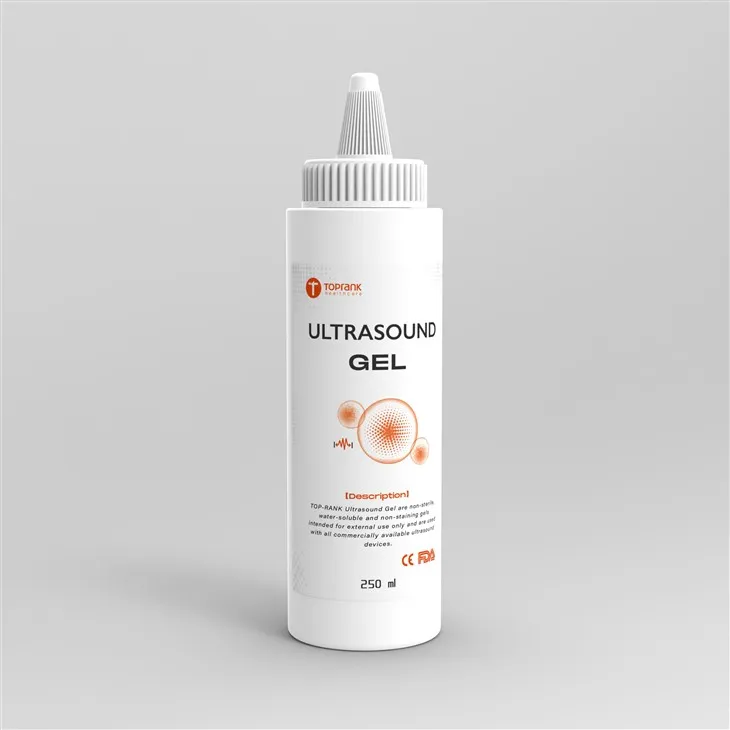
OEM EEG Conductive Paste | 10-20 Neural Paste | TOP-RANK
B2B EEG conductive paste for neurology and PSG. Formulated with high-density chloride suspensions to maintain <5KΩ impedance without stratum corneum abrasion.
Product Overview
This EEG conductive paste is a highly viscous, opaque compound engineered specifically for electroencephalography (EEG), polysomnography (PSG), and brain-computer interface (BCI) applications. It functions as both a structural adhesive and an active ionic bridge, physically anchoring gold or Ag/AgCl cup electrodes to the scalp while transmitting micro-volt ($\mu$V) neural signals through human hair and sebum. The formulation abandons standard hydrogel mechanics, relying instead on a heavy-density polyoxyethylene matrix loaded with inorganic chlorides. We supply this consumable in bulk jars and tubes to diagnostic equipment manufacturers, sleep clinics, and neurology departments.
Technical/Engineering Description
The base matrix is synthesized using Reverse Osmosis (RO) water and specific polyoxyethylene binders to build structural viscosity. High concentrations of sodium chloride (NaCl) and potassium chloride (KCl) are titrated into the mixture to create the conductive pathways necessary for EEG telemetry. The compounding process executes inside planetary vacuum mixers. The high-shear physical mixing prevents localized salt agglomeration, while the continuous vacuum extracts atmospheric voids that would otherwise act as dielectric barriers between the electrode cup and the scalp. MOQ:3,000 white bottles + stickers 10,000 custom-printed bottles
Key Features
-
Chloride Suspension & Settling Stability
Neural signals operate in the 10 to 100 micro-volt range. If conductive salts settle at the bottom of the packaging during transit or storage, the paste scooped from the top will lack sufficient ionic density. This causes the baseline impedance to spike randomly across different electrode channels. The polymer lattice of this formulation physically locks the chloride ions into an equidistant suspension. The paste exhibits zero gravitational settling; the ionic concentration at the surface exactly matches the concentration at the bottom of the jar over a 24-month shelf life.
-
Non-Abrasive Scalp Lipid Penetration
Clinical EEG setups often require scrubbing the patient's scalp with a gritty, pumice-based prep gel to strip away dead skin and natural oils before applying a conductive medium. This physical abrasion causes micro-lacerations and exposes the patient to infection risks. This paste formulation utilizes targeted chemical surfactants. These surfactants temporarily interact with the lipid bilayer of the scalp's sebum, dissolving the insulating oil barrier to establish a direct ionic bridge to the dermis. It drops the epidermal contact resistance below 5K Ohms without requiring prior physical skin abrasion.
-
37°C Rheological Form Retention
Polysomnography (PSG) sleep studies require electrodes to remain affixed to the head for 8 to 12 continuous hours. Standard water-based gels undergo thermal breakdown when exposed to 37°C body heat for prolonged periods; they liquefy, run down the patient's neck, and short-circuit adjacent electrode channels. The thermal phase threshold of this paste is calibrated to 45°C. It absorbs the body heat without altering its viscosity. It functions as a stiff, tacky structural anchor that holds the gold cup in place against kinetic head rolling throughout a full night of recording.
Applications
Polysomnography (PSG)
High-tack adhesive matrix to secure 10-20 system cup electrodes to the scalp during 12-hour continuous sleep architecture telemetry.
Evoked Potentials (EP)
Provides the immediate, ultra-low impedance (<2K Ohms) required to capture latency responses in visual or auditory brainstem diagnostic procedures.
Brain-Computer Interface (BCI)
Ionic bridging fluid designed for dry-to-wet BCI headsets, transferring motor cortex commands to external hardware without artifact disruption.
OEM & Private Label
-
Clinical Jar vs. Tube Formats: The paste is packaged in wide-mouth 114g (4oz) or 228g (8oz) PP jars to accommodate the fast "scoop-and-apply" workflow preferred by EEG technicians. For field or BCI use, we configure high-density 100g squeeze tubes with 3.0mm dispensing orifices.
-
Supply Chain Routing: High-shear compounding and vacuum stabilization run within our China chemical vats. Automated high-viscosity volumetric filling, induction foil sealing, and final case packing route through our Vietnam hub, isolating the B2B supply chain from localized medical fluid tariffs.
Certifications
-
Biocompatibility : Polymeric matrix and ionic load are verified against ISO 10993-5 (Cytotoxicity) and ISO 10993-10 (Sensitization) limits to qualify for continuous 24-hour topical scalp exposure.
-
Systems: Component titration and cleanroom filling lines execute strictly within audited ISO 13485:2016 and MDSAP regulatory frameworks.
FAQ
Q: Does this paste dry out and turn into hard cement after a 12-hour EEG recording?
A: No. The outer boundary of the paste will form a thin, semi-solid skin when exposed to ambient room air, which helps lock the electrode in place. However, the internal matrix interfacing directly with the scalp and the metal cup remains a highly hydrated, conductive paste. It will not cement into the patient's hair. It washes out completely using standard warm water and mild clinical shampoo.
Q: Can we use this EEG paste as a conductive medium for emergency defibrillation?
A: Absolutely not. This paste is engineered strictly for low-voltage, micro-ampere ($\mu$A) signal recording. It lacks the massive surface area, structural water weight, and specific thermal heat sink capacity required to safely disperse high-current, high-voltage therapeutic shocks. Transmitting a 360J defibrillator shock through this paste will result in immediate, severe thermal burns to the patient.
B2B neurological equipment OEMs and diagnostic consumable distributors can request bulk jar prototypes and physical impedance drift logs.
👉 [Request EEG Paste Jar/Tube Samples]
Hot Tags: eeg conductive paste, China eeg conductive paste manufacturers, suppliers, factory
Specifications
| Parameter | Metric Configuration | Engineering Detail |
| Physical State | Viscous Opaque Paste | Resists gravity dripping |
| Impedance | < 5K Ohms (at 10Hz) | Captures micro-volt signals |
| Thermal Limit | Phase stable up to 45°C | Will not melt at body temperature |
| Abrasive Level | Zero (Non-Abrasive) | Preserves scalp barrier |
| Solubility | Water-Soluble | Washes out with warm water |


