


In clinical rehabilitation, physiotherapy, and TENS/EMS therapy, electrode pads are consumable products with high replacement frequency.
However, many hospitals, clinics, and distributors face a common issue:
👉 Electrode pads are replaced much faster than expected.
This leads to:
- Higher operating cost
- Unstable therapy experience
- Increased procurement frequency
- Lower patient satisfaction
This article explains why replacement rate is high and how medical buyers can systematically reduce electrode pad consumption cost without affecting therapy performance.
1. Why Electrode Pads Are Replaced Too Frequently
Most buyers assume electrode pads are "naturally consumable," but in reality, replacement rate is strongly influenced by usage conditions.
Common hidden reasons:
- Excessive re-use beyond design limit
- Poor skin preparation before application
- Incompatible device output intensity
- Storage damage before use
- Low-quality hydrogel formulation
👉 In most cases, the problem is not "normal wear" but system inefficiency in usage + supply quality mismatch.
2. Material Quality Directly Affects Lifespan
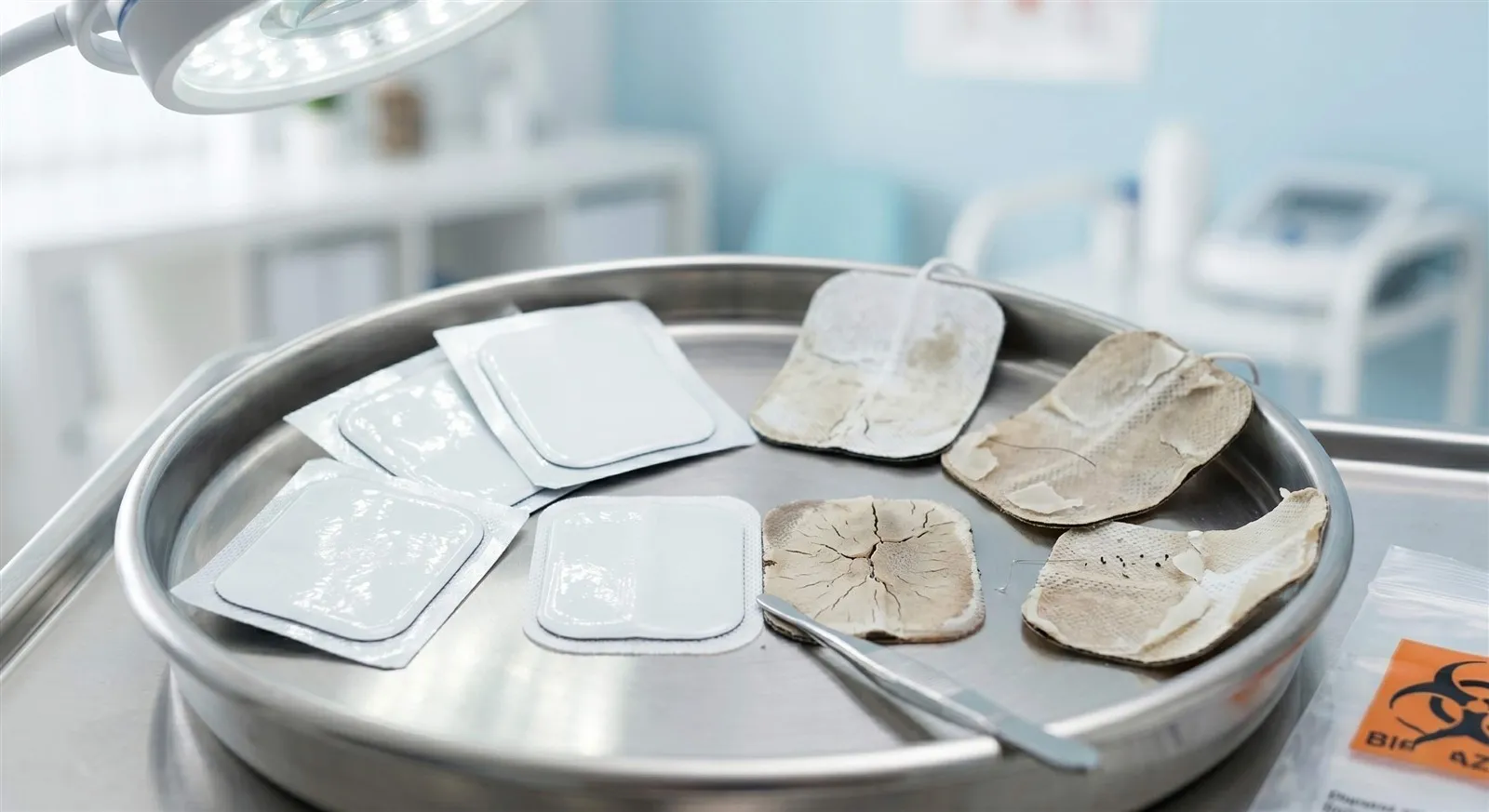
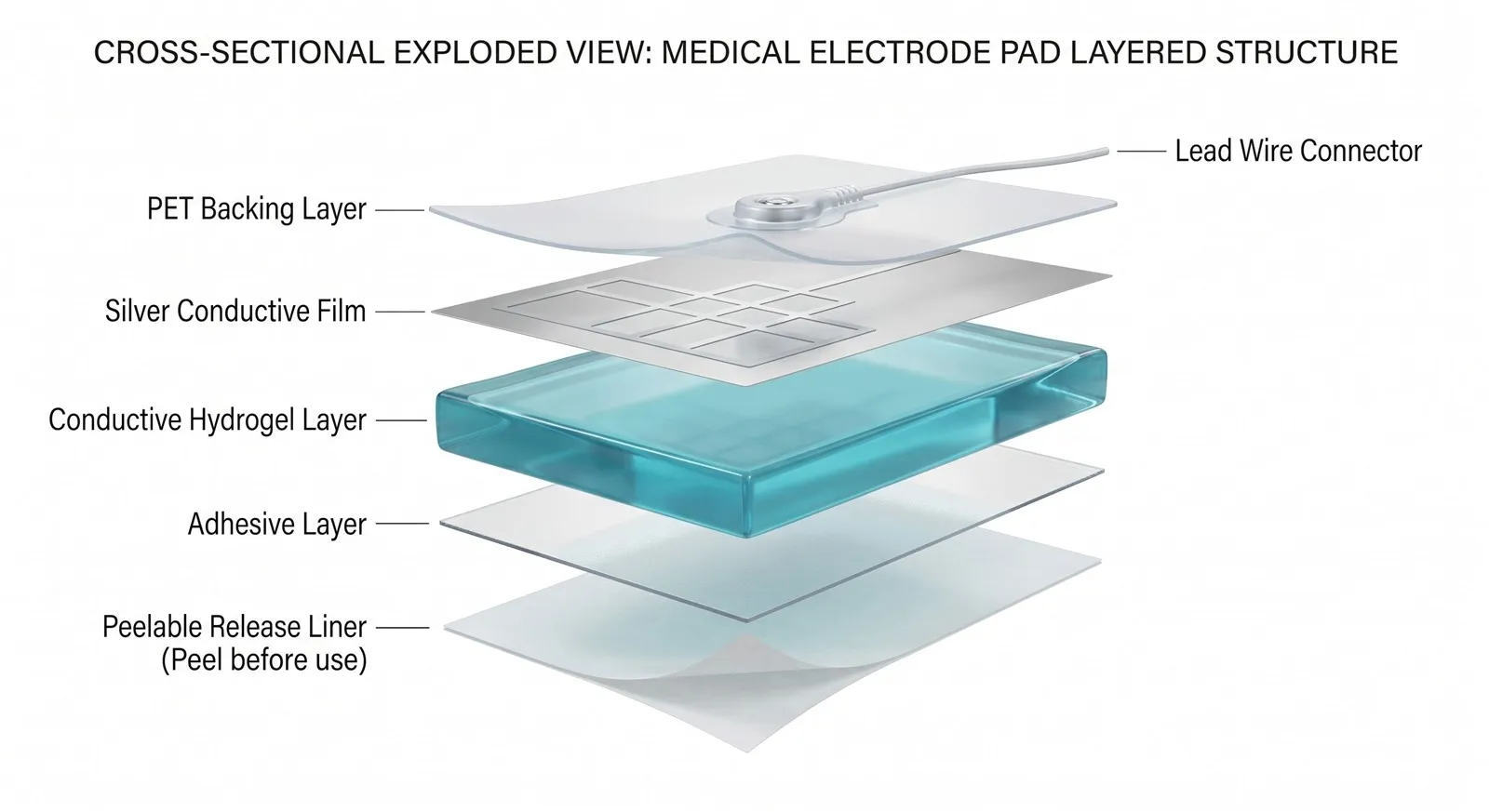
Electrode pad lifespan is mainly determined by hydrogel and substrate structure.
Key factors include:
2.1 Hydrogel stability
- Low-quality gel tends to:
- Dry out quickly
- Lose conductivity after 1–3 uses
- Leave residue on skin
2.2 Backing layer durability
- Poor PET or foam layers cause:
- Edge curling
- Loss of adhesion under movement
- Delamination during removal
👉 Medical-grade pads typically maintain performance for multiple usage cycles under controlled conditions.
3. Usage Environment That Shortens Electrode Pad Life
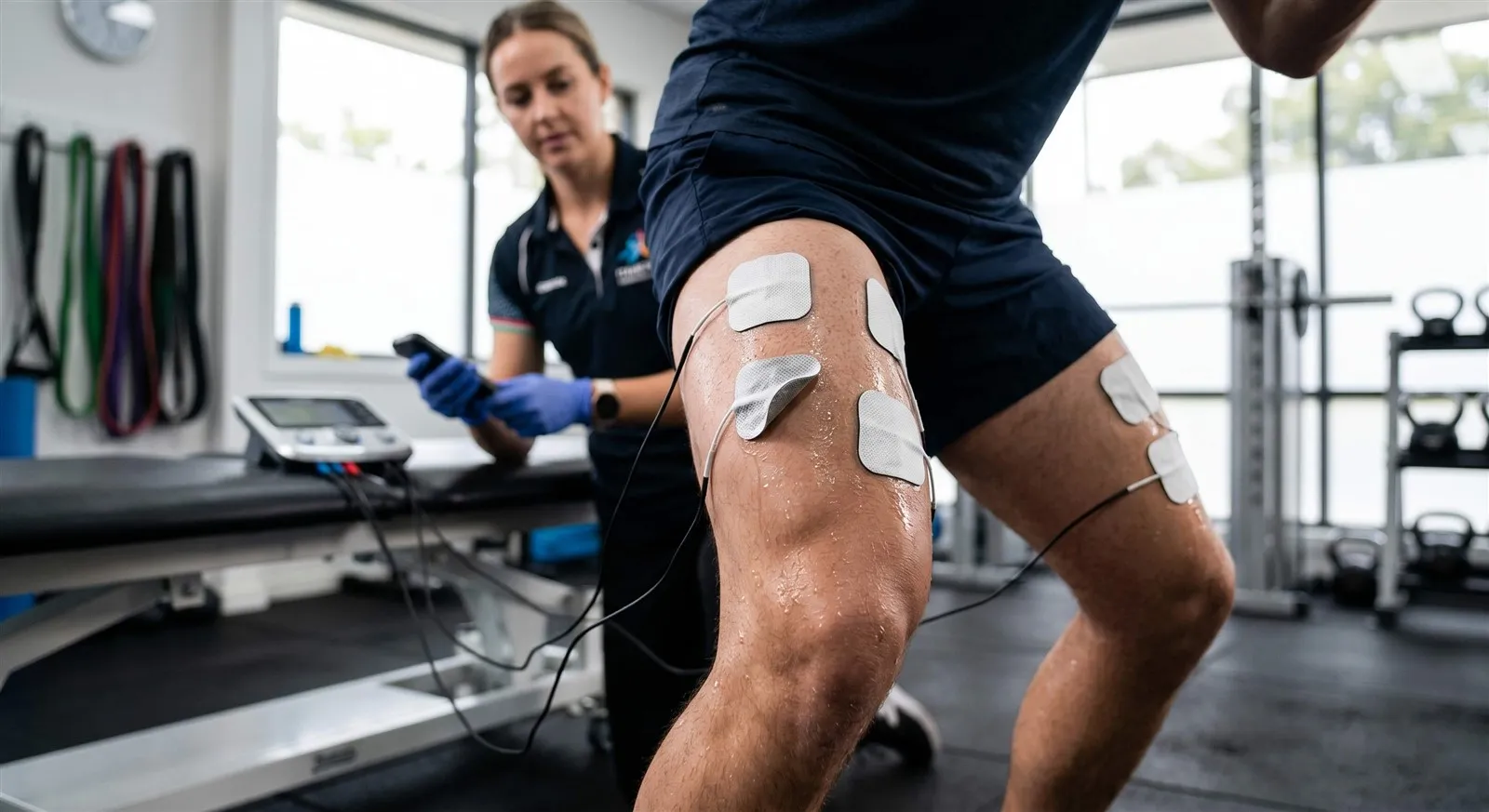
Even high-quality electrode pads degrade faster in:
- High humidity environments
- Excessive sweating during therapy
- High-frequency stimulation sessions
- Poor skin cleaning before application
Clinical observation:
Pads used in sports rehabilitation often have 30–50% shorter lifespan than those used in static physiotherapy.
4. How Clinics Can Reduce Replacement Rate
4.1 Standardize skin preparation protocol
- Clean skin with alcohol wipes
- Remove oil and lotion residue
- Ensure dry surface before application
4.2 Control reuse cycles
Define clear internal policy:
- Light therapy: 5–8 uses
- Medium therapy: 3–5 uses
- High-intensity EMS: 1–3 uses
4.3 Match pad type with therapy type
Different applications require different pad specifications:
- TENS (pain relief): medium adhesion pads
- EMS (muscle stimulation): high-durability pads
- Home use: cost-optimized pads
5. Supplier Selection Impact on Replacement Rate
Many buyers overlook this:
👉 Supplier quality consistency directly determines pad lifespan.
Key supplier-related issues:
- Inconsistent hydrogel coating thickness
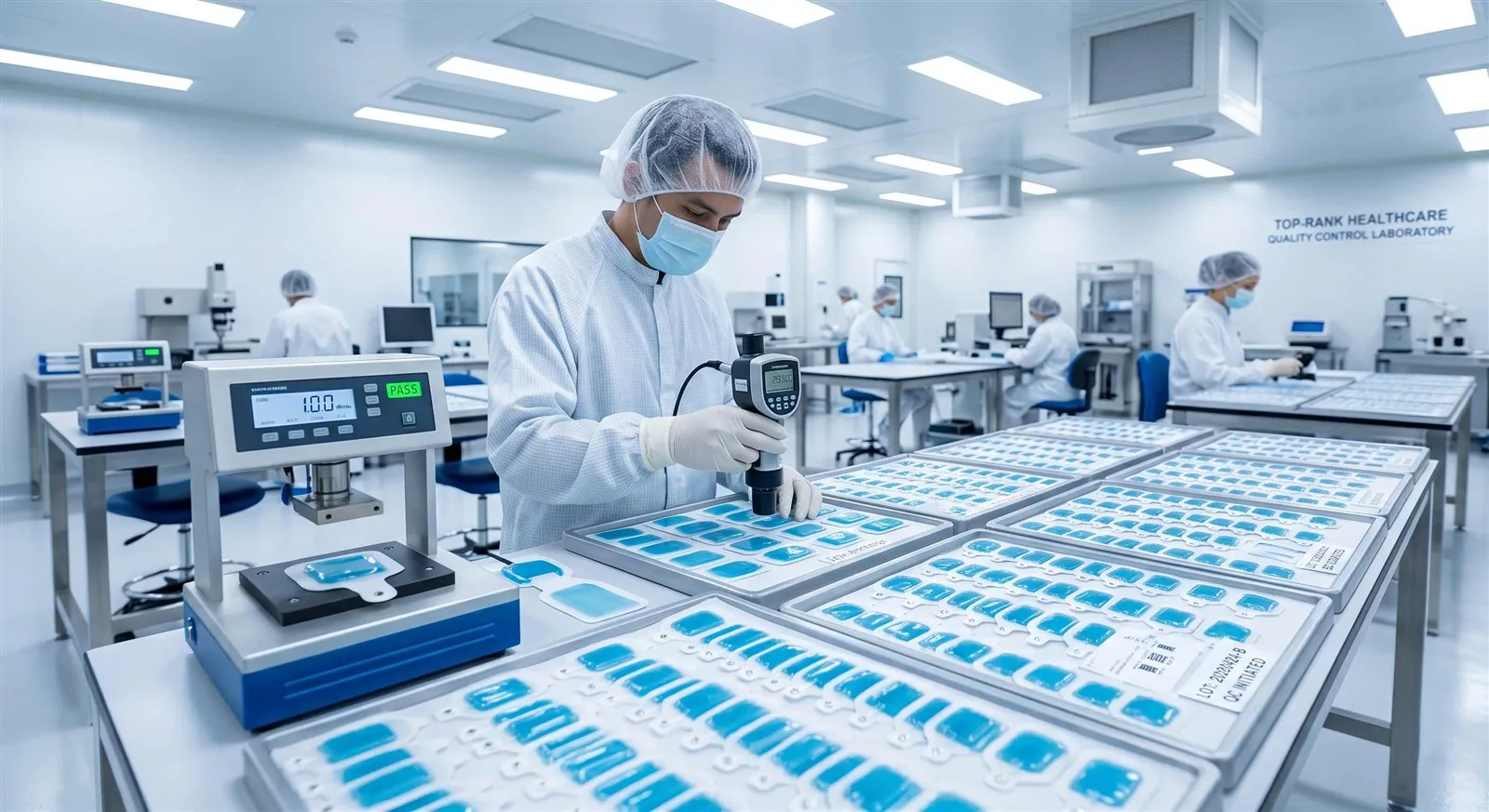
- Unstable raw material batches
- Poor quality control of adhesive layer
- Lack of real-use simulation testing
A stable supplier reduces replacement rate by 20–40% in real clinical usage scenarios.
6. OEM Optimization: How Manufacturers Can Improve Lifespan
For brands and distributors, lifecycle cost can be reduced through OEM customization:
Possible optimizations:
- Thicker hydrogel layer for longer adhesion
- Anti-drying packaging (individual sealed pouches)
- Skin-sensitive formulation upgrade
- Reinforced PET backing material
- Custom pad size for different body areas
7. Key Buying Checklist for Medical Electrode Pads
Before choosing a supplier, buyers should verify:
- Stability of adhesion after repeated use
- Gel drying speed under storage condition
- Skin irritation feedback data
- Batch consistency report
- OEM customization capability
- Shelf life under real export conditions
FAQ
Q1: How many times can electrode pads be reused?
Q2: Why do electrode pads stop sticking quickly?
Q3: Can higher quality electrode pads reduce cost?
Conclusion
Reducing electrode pad replacement rate is not about increasing "reusability claims", but about:
- Material selection
- Clinical usage control
- Supplier stability
- Proper OEM design
For medical buyers and distributors, optimizing these factors can significantly reduce long-term procurement cost while improving therapy consistency.
Call to Action
We supply medical-grade electrode pads for:
- TENS therapy systems
- EMS rehabilitation devices
- OEM & private label brands
- Clinical and hospital use
We support:
- Stable hydrogel formulation
- Custom OEM design
- Export-ready compliance (CE / ISO systems)
- Fast sampling and engineering support