

As a corporate hydrogel manufacturer, we are frequently asked about the quiet workhorse behind countless clinical and diagnostic applications: ultrasound gel. This seemingly simple product plays a crucial role in image clarity, patient comfort, and procedural efficiency. In this article, we'll pull back the curtain to explore:
•What ultrasound gel is made of?
•How ultrasound gel is produced?
What ultrasound gel is made of?
Ultrasound gel is not your ordinary gel. This certain something should have the conductive properties of water but needs to be stable enough to last on the skin. It should be easy to transport and also, has to be shelf stable, and most of all, safe. Hence why ultrasound gel mainly consists of water. To improve its viscosity and shelf stability, and thus its clarity on the screens, additives are incorporated into the gel. These include gelling agents, humectants, preservatives, and pH stabilisers. The additives prevent it from drying out, keep it in good condition, and make it safe for the skin.
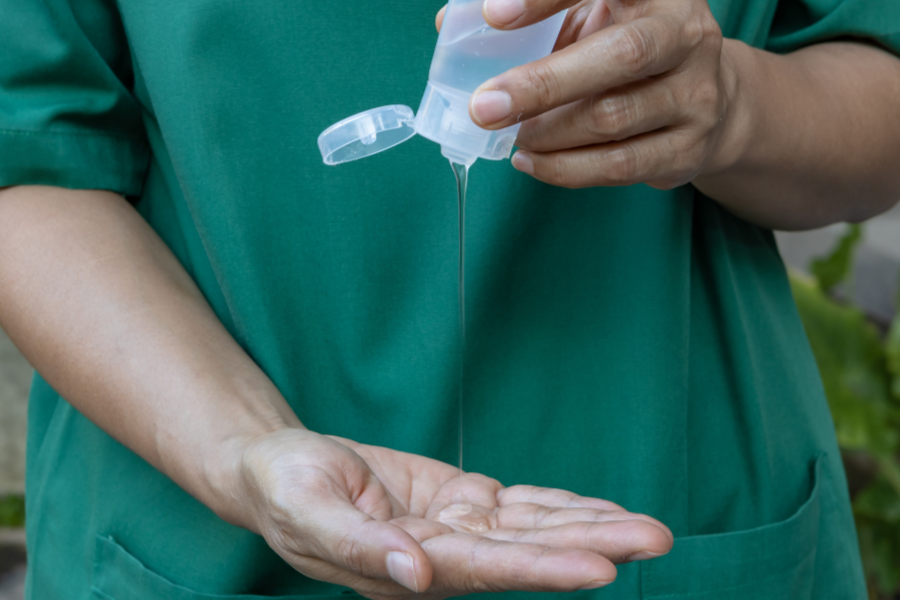
Ultrasound gels usually contain water, propylene glycol, glycerin, and isothiazolinones. These are natural moisturizers, cosmetic ingredients, and preservatives. These ingredients are generally safe but the propylene glycol could lead to adverse skin reactions.
Some users may be sensitive to certain ingredients, so our formulation, specifications, and packaging are customizable. When you wholesale our ultrasound gel, we can tailor these aspects to your requirements.
•Customization options: ingredients, concentrations, packaging, labeling, and documentation.
The composition of this gel is meant to strike a balance between all of those issues and also allow for easy application and minimal mess. Here we can learn more about the composition of ultrasound gel, and even how to make them.

How ultrasound gel is produced?
The making of ultrasound gel needs more than just water.
Since the primary ingredient is water, we need clean water. The first step of production begins with purification to eliminate impurities. And then the above additives such as glycerin or propylene glycol are carefully mixed to achieve the desired consistency.
At each step, both before and after adding the various other ingredients, the mixture undergoes thorough testing. These tests are for determining the pH level, shelf stability, conductive clarity, and other safety and quality standards. All of this is done before the gel is packaged and distributed for medical use.
If it needs to be sterilized, it would go through a sterilization process, such as gamma rays or ethylene oxide gas, before being packed and sealed into usually, smaller single-use pouches rather than the gallon jugs that are usually sold.
As a leading conductive gel manufacturer, Top-Rank combines customization, quality, and supply-chain reliability to support your operations. Our approach is collaborative: we work with you to design formulations and packaging that fit your equipment, workflow, and regulatory requirements.
•Customized solutions
•Flexible packaging
•Regulatory readiness
•Stability and performance
•Reliable supply
•Technical partnership
If you're evaluating ultrasound gel suppliers or considering customization options, Top-Rank is ready to collaborate. Feel free to contact us to discuss your specifications, volumes, and timelines. Let us tailor a solution that aligns with your clinical requirements and brand standards.