


Electrode pads are widely used in physical therapy clinics as part of modern rehabilitation and pain management programs.
While many consumers associate electrode pads with home-use TENS devices, physical therapists often use them in a broader range of applications, including pain relief, muscle re-education, injury recovery, and post-surgical rehabilitation.
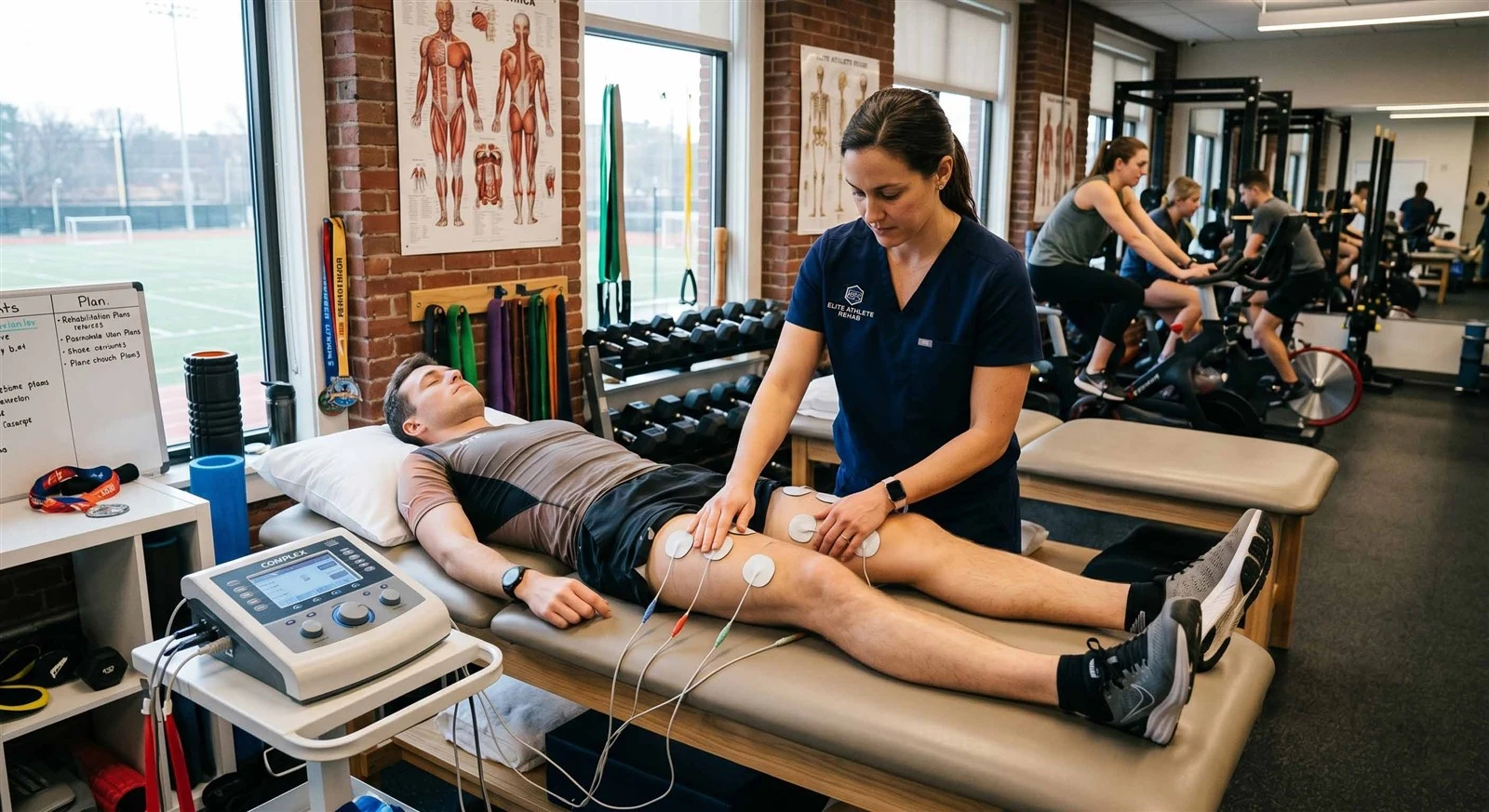
In clinical settings, electrode pads serve as the critical interface between electrotherapy devices and the human body, helping deliver controlled electrical stimulation safely and effectively.
This article explores how electrode pads are used in physical therapy clinics and why they remain an important tool in modern rehabilitation practice.
Why Electrotherapy Is Common in Physical Therapy
Electrotherapy has become a valuable complement to exercise-based rehabilitation.
Physical therapists often combine electrical stimulation with:
- Therapeutic exercise
- Manual therapy
- Stretching programs
- Functional movement training
The goal is to help patients recover function, manage pain, and improve muscle performance.
Electrotherapy is the therapeutic use of electrical stimulation to support rehabilitation, pain management, and muscle function.

Application 1: Pain Management
One of the most common uses of electrode pads in physical therapy clinics is pain relief.
Therapists frequently use TENS (Transcutaneous Electrical Nerve Stimulation) to help patients manage conditions such as:
- Lower back pain
- Neck pain
- Shoulder discomfort
- Knee pain
- Sports injuries
Electrode pads deliver gentle electrical pulses through the skin to stimulate sensory nerves.
Common Treatment Areas
- Lower back
- Cervical region
- Shoulder complex
- Knee joint
- Hip region
Pain management remains one of the most common clinical applications for electrode pads.
Application 2: Muscle Re-Education
After injury or surgery, muscles often lose strength and coordination.
Physical therapists may use electrical stimulation to help patients relearn proper muscle activation patterns.
This approach is particularly common following:
- ACL reconstruction
- Joint replacement surgery
- Orthopedic injuries
- Neurological rehabilitation
Goals
- Improve muscle recruitment
- Restore movement patterns
- Enhance rehabilitation outcomes
Electrical stimulation is frequently used to support muscle re-education during rehabilitation.

Application 3: Muscle Strengthening
Many clinics use EMS (Electrical Muscle Stimulation) or NMES (Neuromuscular Electrical Stimulation) as part of strengthening programs.
Electrical stimulation can create controlled muscle contractions that supplement voluntary exercise.
This may be beneficial when:
- Muscles are weak
- Movement is limited
- Early-stage rehabilitation restricts heavy exercise
Common Target Muscles
- Quadriceps
- Hamstrings
- Gluteal muscles
- Shoulder stabilizers
- Calf muscles
Electrical stimulation can be used alongside exercise programs to support muscle strengthening efforts.
Application 4: Post-Surgical Rehabilitation
Electrode pads are often incorporated into recovery programs after surgery.
Common examples include:
Knee Surgery
- ACL reconstruction
- Meniscus repair
- Total knee replacement
Shoulder Surgery
- Rotator cuff repair
- Shoulder stabilization procedures
Hip Surgery
- Hip replacement
- Soft tissue repair
The goal is often to:
- Reduce discomfort
- Improve muscle activation
- Support functional recovery
Post-operative rehabilitation frequently includes electrical stimulation as part of comprehensive recovery programs.
Application 5: Sports Injury Recovery
Sports medicine clinics often utilize electrode pads during rehabilitation.
Common conditions include:
- Muscle strains
- Ligament injuries
- Tendon disorders
- Overuse injuries
Electrical stimulation may be combined with:
- Exercise therapy
- Mobility work
- Recovery protocols
Athletes often encounter electrotherapy treatments throughout the rehabilitation process.
Sports rehabilitation programs commonly incorporate electrical stimulation technologies.
How Physical Therapists Choose Electrode Pads
Not all electrode pads are identical.
Clinicians often consider several factors when selecting pads.
Pad Size
Larger pads may be used for:
- Large muscle groups
- Broad treatment areas
Smaller pads may be selected for:
- Localized pain
- Smaller muscles
Shape
Different shapes may improve placement flexibility depending on body anatomy.
Examples include:
- Square pads
- Rectangular pads
- Round pads
Conductivity
Stable conductivity helps ensure:
- Consistent stimulation
- Improved comfort
- Uniform current distribution
Skin Compatibility
Since many patients receive repeated treatments, skin-friendly hydrogel materials are important.
Electrode pad selection depends on treatment goals, body location, and patient comfort considerations.
Why Hydrogel Matters in Clinical Applications
Hydrogel plays an important role in physical therapy treatments.
Its functions include:
- Conducting electrical signals
- Reducing skin impedance
- Improving patient comfort
- Maintaining skin contact
High-quality hydrogel helps create a more consistent treatment experience.
Hydrogel serves as the conductive interface between the electrode pad and the skin during electrotherapy.
Frequently Asked Questions
Do physical therapists use the same electrode pads as home users?
What types of electrotherapy devices use electrode pads?
Common examples include:
- TENS devices
- EMS devices
- NMES systems
- FES systems
Can electrode pads be reused in clinical settings?
Are electrode pads only used for pain relief?