OEM Wearable Biosensor Hydrogel | Extended Wear | TOP-RANK
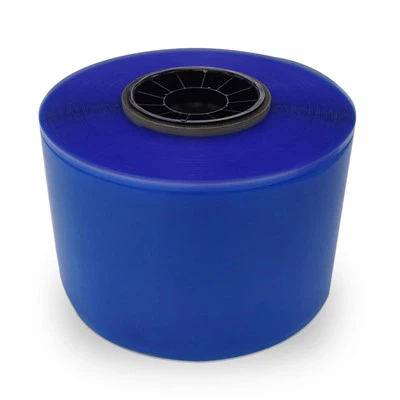
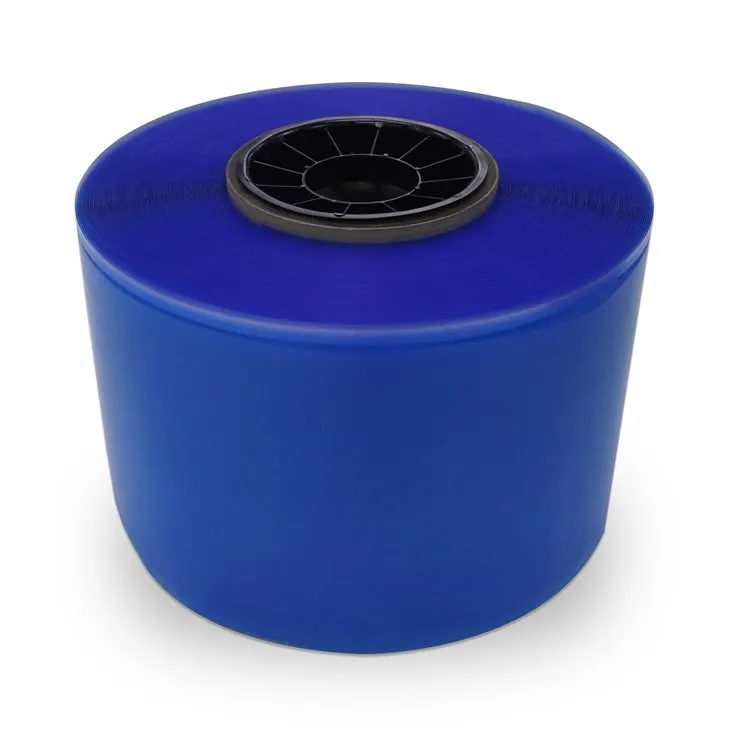
B2B master rolls of skin-contact conductive hydrogel for wearable biosensors, CGM patches, and continuous telemetry. Formulated for 7-to-14 day adhesion, sweat resistance, and low baseline noise.
Product Overview
This hydrogel matrix is a specialized skin-contact polymer layer engineered as the primary adhesive and conductive substrate for continuous wearable biosensors, such as Continuous Glucose Monitors (CGM), patches, and ambulatory ECG loops. Unlike short-term physical therapy gels, this material maintains structural stability and low interface impedance over uninterrupted 7-to-14 day wear cycles. The chemistry balances skin adhesion against sweat accumulation to prevent early delamination from the epidermis. We supply these master rolls directly to medical device manufacturers and converting facilities for high-speed automated lamination.
Technical/Engineering Description
The formulation utilizes a highly cross-linked UV-cured acrylic-based or polyurethane-based copolymer hydrogel matrix. To meet the constraints of continuous biometric tracking, the gel layer is extruded to a low Z-axis thickness profile (0.3mm to 0.6mm) onto a biocompatible polyurethane backing or direct fluorosilicone release liner. The internal salt concentration is chemically buffered to match the ionic strength of human sweat, eliminating chemical concentration gradients that cause baseline signal drift on the sensor electrodes. High-speed roll-to-roll slitting executes under ISO 13485 quality protocols to prevent edge deformation and gauge variation. MOQ: 1 roll (100 metres per roll)
Key Features
-
7-to-14 Day Hydrolytic Cohesion
Extended wear wear发汗(sweat)causes water molecules to continuously migrate into the hydrogel grid. Standard hydrogels swell, liquefy, and lose their physical strength within 48 hours, leaving adhesive residue on the skin. This matrix utilizes a dense, multi-functional monomer cross-linking network. The polymer lattice encapsulates the water phase tightly, allowing the gel to absorb physiological sweat volume without structural breakdown or cohesive failure, holding the sensor sensor position for up to 14 days.
-
Electrochemical Baseline Stabilization
Biosensors read miniature current deviations to track glucose or troponin metrics. If the hydrogel contains fluctuating water-to-salt ratios, the baseline electrical impedance wanders randomly, throwing false error codes into the host hardware MCU. The aqueous phase of this substrate is mixed inside sealed vacuum homogenizers to achieve sub-micron electrolyte distribution. This flat ionic path limits impedance variation below 5% across 168 hours of continuous wear, preventing signal artifacts.
-
ISO 10993 Non-Sensitizing Interface
Prolonged skin occlusion under a patch frequently causes contact dermatitis, driven by residual unreacted chemical monomers escaping the gel matrix. The polymerization process utilizes a high-intensity ultraviolet (UV) tunnel that drives monomer conversion to near completion. The fully cured matrix contains zero volatile chemical pockets. Tested under audited clinical limits, the substrate matches the safety metrics required for long-term placement on fragile or compromised epidermis.
Applications
Continuous Glucose Monitor (CGM) Assemblyaphoresis Sports Rehab
Serving as the skin-interfacing adhesive tape substrate for multi-day glucose telemetry patches.
Ambulatory ECG Patches
High-stability conductive carrier material for long-term cardiac arrhythmia tracking where skin movement artifact must be minimized.
Smart Drug Delivery Wearables
Grounding and placement matrix for wearable electronic skin patches that monitor physiological data and trigger transdermal dosing loops.
OEM & Private Label
-
Precision Slitting & Differential Liners: Master rolls are slit to specific custom millimetric widths matching the intake reels of automated high-speed conversion lines. The roll incorporates a dual-liner setup featuring a high-force fluorosilicone backer and a low-force top liner to facilitate smooth web tension during manufacturing.
-
Supply Chain Logic: Polymer synthesis, chemical compounding, and UV roll-coating lines operate in China. High-precision slitting, secondary liner placement, and protective moisture-barrier vacuum packing are routed through our Vietnam hub to manage international supply chain continuity and optimize global medical components tariffs.
Certifications
-
Systems: Roll-to-roll formulation coating and cleanroom slitting comply strictly with audited ISO 13485:2016 and MDSAP regulatory frameworks.
-
Regulatory: Biocompatibility metrics are verified via independent lab assays matching ISO 10993-5 (Cytotoxicity), ISO 10993-10 (Sensitization), and ISO 10993-23 (Irritation) safety thresholds to support OEM client regulatory submissions.
FAQ
Q: Can this hydrogel material withstand continuous water exposure from showering or swimming during the 14-day cycle?
A: The hydrogel itself is hydrophilic and will swell if exposed directly to external water. In a wearable biosensor application, water resistance is achieved by the device architecture. The converter must laminate our hydrogel matrix beneath a wider, waterproof polyurethane (PU) or acrylic medical tape perimeter. This structural overlay seals the gel inside a dry capsule, protecting it from external liquid ingress while allowing internal sweat vapor transmission.
Q: Why do some biosensor hydrogels cause signal drift after the fifth day of wear?
A: Signal drift is typically caused by salt accumulation from dried sweat, which continuously alters the local ionic concentration of the gel matrix. This formulation utilizes a highly cross-linked network pre-saturated with a specific ionic buffer that limits ion exchange. This chemical equilibrium caps the change in resistance across the fluid boundary, stabilizing sensor output through day 14.
B2B device developers, hardware convertors, and continuous monitoring OEMs can request master roll trial segments and impedance drift profiling logs.
👉 [Request Biosensor Hydrogel Master Roll Samples]
Hot Tags: wearable biosensor hydrogel, China wearable biosensor hydrogel manufacturers, suppliers, factory, Hydrogel, Medical Hydrogel
Specifications
| Parameter | Metric Configuration | Engineering Detail |
| Wear Duration | 7 to 14 Days Continuous | Resists long-term enzymatic breakdown |
| Thickness | 0.3mm - 0.6mm (Z-axis) | Low-profile thin matrix |
| Baseline Drift | < 5% over 168 hours | Preserves electrochemical sensor calibration |
| Web Format | Width: 100mm - 300mm | Length: 50m - 100m | Wound on rigid plastic cores |
| Liner System | Fluorosilicone PET & PE | Calibrated automated peeling |