

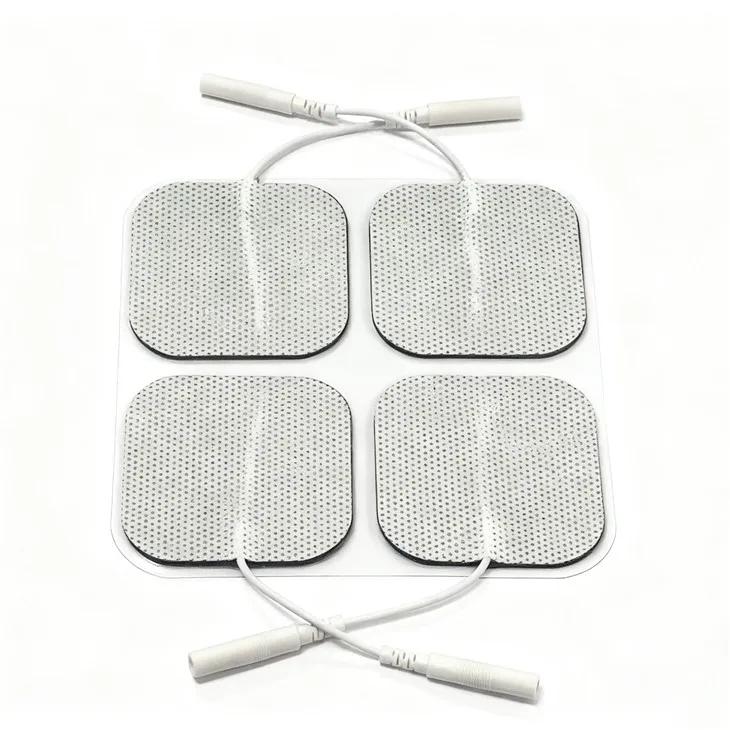
OEM Reusable Electrode Pads | High-Cycle Hydrogel | TOP-RANK
B2B reusable TENS/EMS electrodes. Engineered with a regenerative cross-linked hydrogel matrix to maintain < 50 Ohms and 3.0N peel force across 30+ clinical cycles.
Product Overview
These reusable electrodes are the baseline consumable hardware for TENS, EMS, and NEMS pulse generators. Designed for high-cycle clinical and at-home deployment, the substrate utilizes a specialized high-adhesion hydrogel that resists immediate degradation from skin lipids and keratin debris. Rather than single-use disposal, the physical matrix permits repeated mechanical application and removal. We manufacture these high-cycle blanks for OTC pharmacy brands, clinical supply distributors, and hardware OEMs.
Key Features
-
Cross-Linked Polymer Memory
After 10 to 15 uses, standard gel surfaces become saturated with sebum and dead skin, dropping the peel force below 1.0N. The electrode fails to grip the epidermis. This hydrogel formulation utilizes a specific ratio of hydrophilic polymers. When exposed to a brief cold-water rinse, the surface tension breaks, releasing the trapped lipid debris. At room temperature, the polymer chains re-establish their original cross-linked structure (memory effect), restoring the physical tackiness back to the required 2.5N threshold.
-
Anti-Delamination Anchoring
Removing an electrode pad from the skin subjects the substrate to extreme vertical shear force. Over 30 continuous pull cycles, low-grade hydrogels fracture or separate from the carbon backing, leaving a sticky residue in the patient's hair follicles. A specific liquid primer is deposited between the carbon film and the hydrogel matrix during lamination. This forces the internal cohesive strength of the pad to strictly exceed its adhesive strength to the human skin.
-
Cyclic Impedance Stability
Washing the pad introduces external water into the matrix, while active usage draws out salt through sweat. This fluid exchange continuously alters the electrolyte balance. The baseline formulation is titrated with excess chloride buffers. This chemical reservoir prevents the electrical resistance from spiking above 50 Ohms even after repeated dehydration and rehydration cycles, maintaining a flat mA delivery to the motor units.
Applications
Chronic Pain Protocols
High-cycle daily application for prolonged osteoarthritis or neuropathy management.
OTC Replenishment Kits
Retail-ready consumable packs supporting installed bases of wearable TENS devices
Physical Therapy Clinics
Withstands multiple placement adjustments on a single patient during a 60-minute active rehabilitation session.
OEM & Private Label
-
Barrier Packaging Control: Reusable pads must be stored in specialized secondary packaging. We supply high-density AL/PE foil zip-lock pouches to block Moisture Vapor Transmission (MVTR), preventing the hydrogel from desiccating between uses.
-
Logistics Routing : Base hydrogel compounding and lamination operate in China. Terminal pin assembly, automated zip-pouch sealing, and global batch collation are processed through our Vietnam facility to build supply chain resilience and manage regional logistics costs.
Certifications
-
Regulatory : Product technical files support OEM registrations for FDA 510(k) Class II and CE (MDR) compliance.
-
Systems : Physical compounding and final packaging execute within ISO 13485:2016 audited frameworks.
FAQ
Q: Can patients use rubbing alcohol to clean the reusable pads?
A: No. Isopropyl alcohol acts as a solvent that immediately denatures the cross-linked carbomer matrix. The hydrogel will permanently liquefy and lose all structural cohesion and conductivity. Only trace amounts of cold water should be used for regeneration.
Q: Why does the pad eventually stop conducting electricity after 50 uses?
A: The physical hydrogel base may remain intact, but the active chloride ions (electrolytes) are gradually depleted through repeated absorption of the patient's sweat and the water-washing process. Once the ion concentration drops below a critical threshold, the impedance spikes, terminating the electrical circuit.
CTA
B2B procurement teams can request high-cycle prototypes to verify peel force retention and impedance stability.
👉 [Request Reusable Pad Prototypes]
Hot Tags: reusable electrode pads, China reusable electrode pads manufacturers, suppliers, factory, TENS Unit Pads for Sensitive Skin, best TENS pads, TENS Unit Pads, TENS Therapy Replacement Pads, best TENS unit pads, Wireless Electrode Pads
Specifications
| Parameter | Metric Configuration | Engineering Detail |
| Cycle Lifespan | 30 - 50 Applications | Dependent on skin prep |
| Initial Peel Force | 2.5N - 3.5N | Drops < 15% after wash |
| Impedance | < 50 Ohms | Stable across hydration cycles |
| Regeneration | Cold Water Rinse | Clears epidermal debris |
| Storage | PET Release Liner | Prevents ambient dehydration |


