

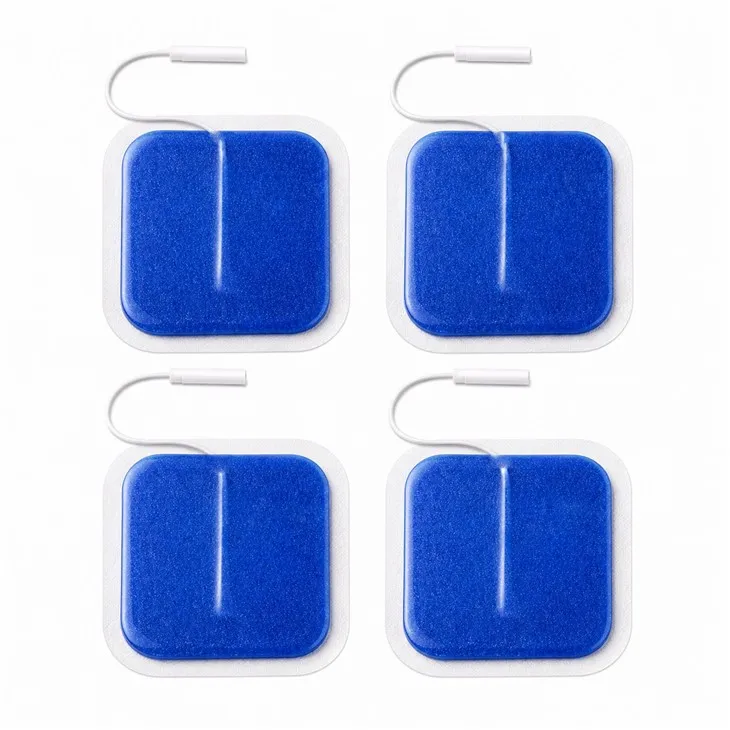
OEM Hypoallergenic TENS Electrodes | Blue Gel | TOP-RANK
B2B hypoallergenic electrodes for sensitive skin. Formulated with zero-residual monomers, pH 5.5 buffering, and low-shear rheology to prevent contact dermatitis.
Product Overview
These hypoallergenic electrodes are a specialized conductive interface engineered for patients with compromised epidermal barriers or a high susceptibility to chemical contact dermatitis. Visually identified in the clinical setting by a translucent blue hydrogel, the substrate abandons standard high-tack, rapid-cure formulations. The physical matrix prioritizes chemical purity and low-shear mechanical release over extreme adhesion. We supply this low-reactivity consumable to pediatric clinics, geriatric care distributors, and premium OTC hardware brands targeting the sensitive-skin demographic.
Key Features
-
Unreacted Monomer Eradication
Standard mass-market gels contain unlinked acrylic monomers and chemical initiators left over from rapid manufacturing. Under the electrical load of a TENS machine, these residual chemicals are driven directly into the patient's open pores (iontophoresis effect), triggering severe redness, itching, and contact dermatitis. The prolonged curing tunnel deployed for this specific matrix exhausts the chemical initiators and locks the monomers into a stable polymer grid. This isolates the epidermis from active chemical irritants during current transmission.
-
Epidermal pH Buffering
Human skin maintains a natural protective acidic mantle with a pH ranging from 4.5 to 5.5. Standard alkaline hydrogels (pH 7.0+) aggressively disrupt this barrier, stripping the localized lipids and causing severe dryness after a 60-minute therapy session. During the liquid compounding phase, this matrix is chemically titrated with weak acid buffers. The internal pH is permanently locked at 5.5, matching the biological acidity of the skin and preventing the degradation of the stratum corneum.
-
Low-Shear Release Mechanics
Geriatric skin, pediatric tissue, and localized areas subjected to topical steroids possess degraded structural tensile strength. Applying a standard 3.5N high-tack gel to these populations will mechanically strip the top layer of the epidermis when the pad is peeled off. The carbomer density in this formulation is explicitly adjusted to drop the mechanical peel force to a maximum of 2.0N. This sacrifices multi-day aggressive adhesion to ensure the physical removal of the pad does not rupture fragile underlying tissue.
Applications
Geriatric Pain Management
Hardware interface for thinning, parchment-like skin susceptible to tearing.
Pediatric TENS/EMS
Low-shear, chemically inert substrates for infant and toddler neuromodulation protocols.
Facial & Neck Stimulation
Deployed on highly innervated, cosmetic-sensitive topography where standard adhesive erythema (redness) is unacceptable.
OEM & Private Label
-
Hydrogel Tinting : The standard translucent blue dye can be modified to clear or custom Pantone shades, utilizing only non-ionic medical-grade pigments that do not interfere with the chloride electrolyte vectors.
-
Logistics Routing : The extended-cycle polymerization and web lamination execute in our China facilities. Secondary pad cutting, hardware riveting, and individual pouch sealing operate at our Vietnam hub to manage supply chain continuity and optimize regional B2B tariffs.
Certifications
-
Biocompatibility : The polymerized matrix undergoes strict third-party verification to pass ISO 10993-5 (Cytotoxicity) and ISO 10993-10 (Sensitization/Irritation) endpoints.
-
Systems : Production compounding and clean-room coating lines operate within audited ISO 13485:2016 frameworks.
FAQ
Q: Does the blue dye affect the electrical conductivity of the pad?
A: This indicates a critical failure in the dielectric masking phase. If the non-conductive insulation patch shifts during high-speed lamination or is omitted, the electrical pulse bypasses the carbon resistance layer and strikes the epidermis directly through the metal rivet, causing a localized point-burn.
Q: Will this low-tack hypoallergenic gel survive heavy sweating during a sports workout?
A: No. The peel force is intentionally restricted to 1.5N - 2.0N to protect fragile skin. Heavy diaphoresis (sweating) introduces excessive surface moisture that will rapidly break this lowered adhesive threshold, causing the pad to detach. This substrate is engineered for resting, low-mobility clinical therapy, not athletic EMS recruitment.
CTA
B2B procurement teams and sensitive-skincare OTC brands can request blue gel prototypes and independent ISO 10993 test reports.
👉 [Request Hypoallergenic Prototypes]
Hot Tags: hypoallergenic tens electrodes, China hypoallergenic tens electrodes manufacturers, suppliers, factory, TENS Replacement Pads, TENS electrodes, extra large TENS pads, Self Adhesive Electrode Pads, Electro Pads for TENS Unit, best TENS pads
Specifications
| Parameter | Metric Configuration | Engineering Detail |
| pH Level | 5.5 (± 0.2) | Acid mantle matched |
| Monomer Residuals | < 0.1% | Extended UV/Thermal cure |
| Peel Force | 1.5N - 2.0N | Low-shear release |
| Biocompatibility | ISO 10993-10 | Zero sensitization threshold |
| Visual Code | Translucent Blue | Medical-grade inert dye |


