OEM Hypoallergenic Shielded Electrodes | Transplant Ward ECG | TOP-RANK
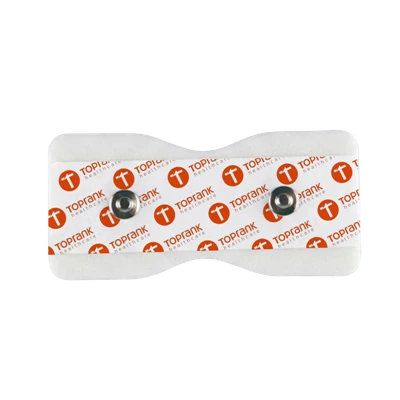
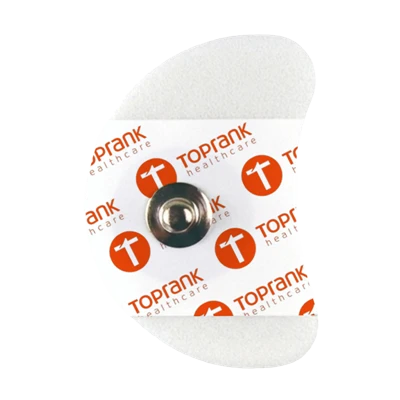
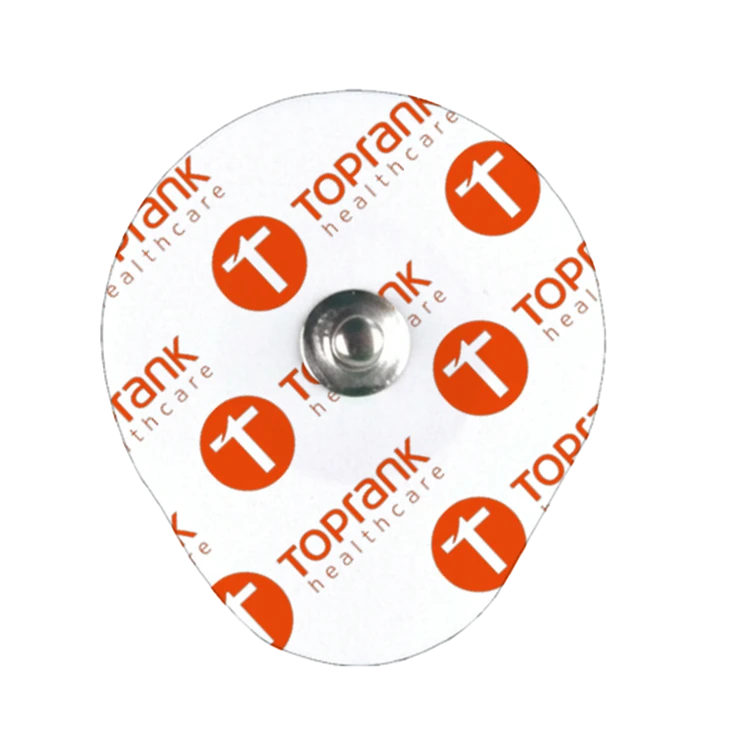
B2B wholesale hypoallergenic shielded electrodes for transplant ICUs, severe atopic skin, and high-EMI wards. Engineered with rosin-free silicone hydrogels and integrated Faraday RF-shields.
Clinical & Physical Profile
These hypoallergenic shielded electrodes operate as ultra-pure, noise-immune bio-potential sensor interfaces engineered explicitly for organ transplant intensive care units (Post-Liver/Kidney/Bone Marrow ICUs), severe atopic dermatitis patients, and environments with heavy electromagnetic interference (EMI). Patients undergoing immunosuppressive therapy (e.g., tacrolimus, cyclosporine, systemic corticosteroids) exhibit parchment-thin epidermal barriers with suppressed dermal regeneration, where standard acrylic adhesives and unreacted monomer residues trigger severe contact dermatitis, epidermal stripping, and secondary opportunistic infections. Concurrently, dense bedside electronics (dialysis machines, ECMO blood pumps, electrosurgical units) radiate severe high-frequency electromagnetic noise that corrupts low-microvolt ECG signals. This specialized electrode eliminates all rosin tackifiers and free acrylic acid monomers, pairing a medical-grade silicone/polyol hydrogel with an integrated conductive Faraday-mesh shield to reject >35dB of ambient RF noise. We manufacture these sterile-ready sensor arrays for transplant ward stockists, critical care tray packagers, and telemetry monitoring OEMs.
Cleanroom Synthesis & Monomer-Stripping Kinetics
The industrial fabrication of hypoallergenic shielded electrodes combines cleanroom polymer degassing, high-vacuum monomer steam-stripping, roll-to-roll Ag/AgCl micro-sputtering, and dual-layer Faraday grid converting. The skin-contact hydrogel utilizes a cross-linked biopolymer network plasticized with ultra-pure pharmaceutical-grade polyols; the formulated liquid is processed through high-vacuum stripping columns to extract unreacted volatile acrylic acid monomers and cross-linkers below gas-chromatography detection limits (<1ppm). The upper shielding layer integrates a micro-perforated carbon-aluminum conductive grid laminated above the sensing element, designed to intercept radiated electromagnetic fields and shunt parasitic capacitive currents away from the Ag/AgCl sensing core. Precision multi-cavity die-cutters stamp out the finished pad profiles inside ISO Class 6 cleanrooms. The completed electrodes are mounted on fluorosilicone PET release liners and heat-sealed in medical-grade Tyvek/foil pouches compatible with ethylene oxide (EtO) and gamma radiation sterilization, enforcing an MOQ threshold of 300,000 units.
Core Engineering Assets
-
Zero-Monomer Biopolymer Matrix (Dermal Breakdown Defense in Immunosuppressed Patients)
Patients following liver, kidney, or stem cell transplantation take heavy doses of calcineurin inhibitors, resulting in severe skin atrophy and heightened vulnerability to Type IV cell-mediated hypersensitivity. Standard medical adhesives contain trace acrylic acid monomers and colophony (rosin) tackifiers that trigger contact dermatitis, causing epidermal blisters that act as entry ports for invasive hospital-acquired infections. Our formulation utilizes a pure, monomer-stripped silicone hydrogel devoid of rosin, fragrances, or free chemical cross-linkers. With a Primary Dermal Irritation Index of 0.0, the matrix adheres via gentle physical hydration bonds, allowing continuous multi-day telemetry without inducing erythema, pruritus, or skin stripping upon removal.
-
Faradaic Grid Electromagnetic Attenuation (Active Noise Rejection in High-EMI Wards)
Transplant ICUs and cardiac operating suites contain high densities of motorized equipment (ECMO consoles, continuous renal replacement therapy pumps, nearby electrosurgery units) that radiate intense electromagnetic interference (100kHz to 100MHz). This high-frequency noise couples capacitively into standard unshielded ECG pads, producing massive baseline grass artifacts that mask subtle P-wave morphology and ST-segment elevations. We integrate a micro-perforated conductive Faraday grid directly within the electrode backing. The grid creates an equipotential electrostatic shield over the Ag/AgCl core, attenuating radiated ambient RF noise by >35dB and delivering a crystal-clear signal-to-noise ratio (SNR > 40dB) without requiring software filtering that could distort diagnostic pacing spikes.
-
High-MVTR Gas-Permeable Micro-Vent Architecture (Anti-Fungal & Anti-Bacterial Bio-Barrier)
Occlusive, impermeable electrode tapes trap sweat underneath the pad. In immunocompromised patients with depleted white blood cell counts, warm and moist sub-electrode environments promote rapid colonization by opportunistic pathogens (such as Candida albicans and Staphylococcus epidermidis). We laminate our hypoallergenic sensor onto a microporous pure silicone or cross-vented spunlace carrier with a Moisture Vapor Transmission Rate exceeding 2000 g/m²/24h. The continuous moisture venting maintains a dry, breathable skin-gel equilibrium, preventing epidermal maceration and eliminating the micro-environment required for fungal colonization over 72-hour continuous monitoring sessions.
B2B Procurement Deployments
Solid Organ & Bone Marrow Transplant Units
Ultra-pure, hypoallergenic monitoring electrodes deployed by transplant cardiologists and critical care nurses for continuous telemetry in patients with drug-induced immunosuppression.
Severe Atopic & Fragile Skin Telemetry
Non-reactive, rosin-free sensor arrays utilized in specialized dermatology wards and burn recovery centers where standard medical glues cause immediate contact skin breakdown.
Hybrid Operating Rooms & ECMO Critical Care
Shielded low-noise electrodes deployed in high-EMI operating suites and cardiac cath labs where nearby motorized pumps and electrosurgical generators corrupt standard ECG traces.
Precision Packaging & Global Supply Routing
-
Hermetic Zero-MVTR Medical Pouching : Hypoallergenic hydrogels require strict moisture-balance preservation to maintain sub-75 Ohm impedance (Z10\Hz) and non-irritating adhesion. Completed electrode strips are packaged on automated high-speed lines into heavy-gauge multi-layer PET/AL/PE foil pouches with 8mm hermetic thermal seals, driving Moisture Vapor Transmission Rates (MVTR) near zero to guarantee a 24-month warehouse shelf life.
-
Transnational Supply Resilience : Polymer purification, high-vacuum monomer stripping, and Ag/AgCl sputtering execute natively inside our primary China facility. Faraday-mesh lamination, precision cleanroom die-cutting, and automated sterile packaging route through our Vietnam hub, protecting global B2B procurement networks from regional medical component trade tariffs.
Regulatory & Quality Safeguards
-
ISO 10993 Biocompatibility & Monomer Clearance : Cured electrode lots undergo continuous batch testing in independent clinical laboratories against strict ISO 10993-5 (Cytotoxicity Grade 0), ISO 10993-10 (Sensitization: 0% response in Guinea Pig Maximization Test), and ISO 10993-23 (Primary Dermal Irritation Index =0.0) boundaries, confirming zero skin sensitization or chemical erythema.
-
MDSAP Certified Cleanroom Converting : Monomer extraction, shielding lamination, and pouching lines operate strictly under ISO 13485:2016 and MDSAP regulatory frameworks, delivering unbroken lot-serialization from purified raw polymers to outbound shipping pallets.
Technical FAQ
Q: Why do conventional medical ECG electrodes trigger acute dermatitis and skin tears in post-transplant ICU patients?
A: Post-transplant patients receive high-dose immunosuppressants that thin the epidermis and weaken dermal anchoring. Conventional electrodes contain residual unreacted acrylic acid monomers and colophony (rosin) tackifiers that cause chemical irritation and Type IV contact allergies. Furthermore, their high aggressive peel tack (>5.0N) shears the fragile stratum corneum during removal. Our electrode eliminates acrylic monomers and rosin entirely, utilizing a pure silicone hydrogel that holds the Dermal Irritation Index at 0.0 and releases gently without epidermal micro-trauma.
Q: How does the integrated Faraday shield eliminate electrosurgical and motorized pump noise without altering diagnostic ECG waveforms?
A: Motorized pumps and electrosurgery generators radiate electromagnetic fields that capacitively induce high-frequency displacement currents into the conductive gel of unshielded electrodes. Our electrode incorporates a micro-perforated conductive Faraday grid above the Ag/AgCl sensor core. This conductive plane acts as an electrostatic barrier that intercepts radiated RF fields and shunts them away, suppressing high-frequency interference by >35dB while allowing physiological microvolt cardiac signals (0.05--150Hz) to pass through uncorrupted.
Transplant ward procurement directors, critical care supply chains, and telemetry hardware OEMs can request GC-MS residual monomer certificates, ISO 10993 biocompatibility datasheets, and unbranded evaluation sample sets for clinical trial benchmarking.
👉 [Request Hypoallergenic Shielded Electrode Samples]
Hot Tags: hypoallergenic shielded electrodes, China hypoallergenic shielded electrodes manufacturers, suppliers, factory, Ecg Electrode, Ecg Electrode Stickers, electrode stickers
Technical Specifications
| Analytical Parameter | Target Baseline | Testing Standard |
| Allergenic Purity | 100% Free of Rosin, Latex, Residual Acrylates | GC-MS residual monomer scan (<1 ppm) |
| EMI / RFI Attenuation | > 35 dB Rejection (100kHz to 100MHz) | Conductive Faraday plane shielding |
| Primary Dermal Irritation | Index = 0.0 (Non-Irritating / Non-Sensitizing) | ISO 10993-10 / ISO 10993-23 dermal safety |
| AC Impedance (10Hz) | < 75 Ohms | Four-point probe planar measurement |
| DC Offset Voltage | < 4.0 mV | Micro-sputtered stoichiometric Ag/AgCl |
| Substrate Carrier | Pure Breathable Silicone / High-MVTR Spunlace | Gas-permeable membrane (>2000 g/m²/24h) |