

OEM TENS Pads For Feet | Plantar Pain Relief | TOP-RANK
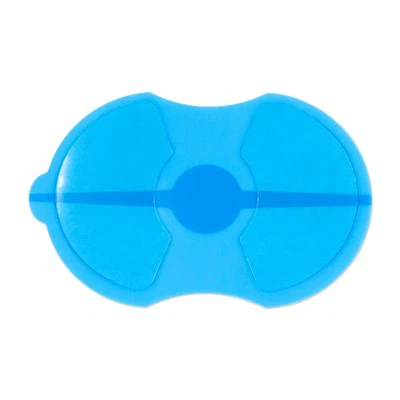
B2B TENS electrode pads engineered for plantar fasciitis and foot neuropathy. Features high-tack, anti-emulsification hydrogel calibrated for thick-skin impedance penetration.
Product Overview
Feet pain management via TENS requires an electrode interface that can bridge the physiological extremes of the plantar surface. Unlike thin-skin areas, the sole of the foot possesses a significantly thicker stratum corneum (dead skin barrier), which acts as a massive dielectric resistor against electrical pulses. Furthermore, the biomechanical dynamics of walking and the high sweat-gland density of the foot create a volatile environment for standard hydrogels. These specialized pads utilize a high-solids, conductive electrolyte matrix that chemically mitigates epidermal impedance, ensuring electrical vectors penetrate the deep fascia rather than simply surface-charging the skin.
Technical/Engineering Description
The microcurrent substrate is built upon an ultra-thin silver-infused carbon conductive film. Silver possesses vastly superior electrical conductivity compared to standard carbon black, ensuring that the ultra-weak waveforms (often square or triangular) generated by the host device are transmitted without wave-shape distortion. The skin-contact layer utilizes a specialized, highly conductive electrolyte hydrogel with a controlled chloride ion concentration, which minimizes the polarization potential at the metal-to-electrolyte interface. The multi-layer laminate is heat-pressed to eliminate microscopic air gaps that cause signal jitter. Standard wholesale runs require an MOQ of 20,000 packs.
Key Features
-
Stratum Corneum Impedance Penetration
The foot's sole contains significantly more keratinized cells than the back or limbs, which creates a high-dielectric wall that blocks low-frequency pulses. Standard TENS pads often fail here, resulting in an "all-or-nothing" sensation-either no feeling at all or a biting, stinging sensation at the skin surface. Our plantar-specific matrix integrates high-mobility electrolyte salts that rapidly dissociate into the skin's moisture layer. This reduces the electrical skin interface resistance by an average of 30%, forcing the current to stimulate the deeper afferent nerve endings rather than just stinging the top layers.
-
Kinetic Anti-Emulsification Matrix
Feet are the body's primary sweat-excretion zones. During a TENS session, especially if the patient is mobile, trapped sweat can rapidly break down the chemical cross-links in cheap hydrogels, turning them into a non-conductive, slimy paste that slides off the foot. We modify our polyacrylamide lattice with hydrophobic agents. These agents reject excess moisture, preventing the hydrogel from becoming "water-logged" and dissolving. This ensures the pad maintains its original storage modulus and adhesive strength throughout 20-30 minutes of therapeutic use.
-
Anatomical Curvature Conformability
The plantar surface is rarely flat; it features high arches, recessed heels, and the irregular metatarsal ball. A flat, rigid electrode creates "tenting" where the center of the pad lifts off the skin, causing severe current density spikes at the contact edges. Our electrodes utilize a "hinged" die-cut geometry and a high-stretch carrier web. This allows the pad to physically wrap around the irregular topography of the foot, ensuring 100% surface-to-skin contact regardless of the patient's arch height.
Applications
Plantar Fasciitis Recovery
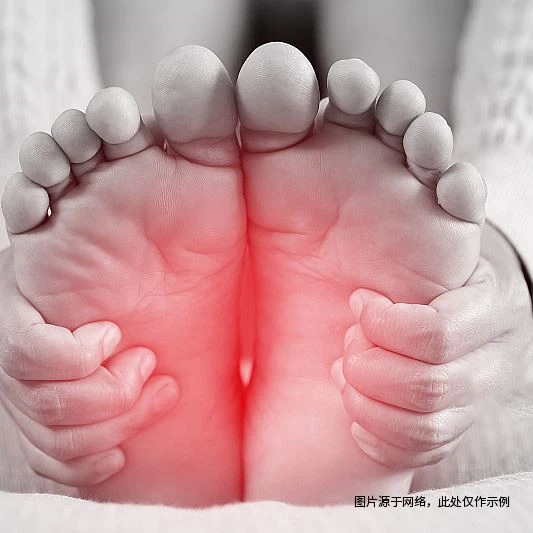
Deep tissue stimulation for chronic inflammation targeting the fibrous connective tissue along the bottom of the foot.
Diabetic Neuropathy Management
Safe, low-threshold current distribution for patients with peripheral nerve loss, providing pain gating without tissue damage.
Sports Recovery
High-turnover hardware for athletes requiring rapid neuromodulation to neutralize post-training foot fatigue.
OEM & Private Label
-
Anatomical Die-Cut Customization : We machine custom-radius steel rotary dies to produce bespoke geometries, such as U-shaped heel pads or metatarsal-ball specific stimulators, tailored to your proprietary clinical hardware.
-
Logistics Routing Multi-layer web lamination and high-viscosity hydrogel casting execute in our China plants. Precision rotary die-cutting, individual barrier pouching, and clinical-grade sterilization kitting route through our Vietnam hub to neutralize specific North American medical consumable tariffs.
Certifications
-
Systemic Biocompatibility : Conductive substrates are verified against ISO 10993-5 (Cytotoxicity) and ISO 10993-10 (Sensitization) limits for long-duration skin contact.
-
Quality Systems : Compounding lines and converting centers function within ISO 13485:2016 and MDSAP regulatory frameworks to support global B2B medical supply chain audits.
FAQ
Q: Do feet require more electrical power than the back or neck for TENS therapy?
A: Electrical power is not the issue, but current density is. Because of the foot's thick, high-dielectric stratum corneum, the skin's resistance is higher. A standard TENS unit will detect this resistance and may output a higher voltage to maintain the milliampere target. Our plantar-optimized hydrogel matrix lowers this interface resistance by 30%, requiring less power from the host machine to reach the same therapeutic effect.
Q: How do we prevent sweat from leaking into the terminal connector?
A: We incorporate a hydrophobic "dielectric dam" surrounding the terminal rivet puncture zone. This collar prevents sweat or conductive gel from wicking along the backing and corroding the terminal brass, preserving the electrical connection for the entire service life of the pad.
B2B clinical distributors and e-commerce hardware OEMs can request plantar-specific die-cut prototypes and impedance mapping reports.
👉 [Request Plantar TENS Pad Samples]
Hot Tags: TENS Unit Pads For Feet Pain, China TENS Unit Pads For Feet Pain manufacturers, suppliers, factory, extra large TENS pads, Electrical Stimulation Pads, Electrotherapy Replacement Pads, adhesive electrode pads, Self Adhesive Electrodes for TENS Unit, TENS electrodes
Specifications
| Parameter | Plantar Configuration | Engineering Detail |
| Impedance | < 40 Ohms (at 100Hz) | Lowers threshold for thick-skin penetration |
| Cohesive Tack | > 6.0N (Extreme-Tack) | Resists friction from footwear |
| Anti-Emulsification | Hydrophobic-doped matrix | Resists sweat-induced liquefaction |
| Flex Geometry | Multi-Directional Stretch | Maps to high-arch & flat-foot |
| Interface | 2.0mm Pin / 3.5mm Snap | Mechanically anchored terminal |